Facial lines do not all develop for the same reason. Some form because the muscles repeatedly cre…
Facial lines do not all develop for the same reason. Some form because the muscles repeatedly crease the skin when a person smiles, squints or frowns. Others remain visible at rest because of reduced elasticity, sun damage or facial volume loss. Botox is mainly used for movement-related lines, making proper facial assessment an important first step.
Mouth Jaw Face Clinic (MJF Clinic) is led by Dr. Karan Mehta, an MDS-qualified Oral and Maxillofacial Surgeon with a Fellowship in Aesthetic Medicine from ILLAMED, affiliated with Greifswald University, Germany. His knowledge of facial anatomy, muscles and structural balance supports careful planning of Botox and other facial aesthetic procedures.
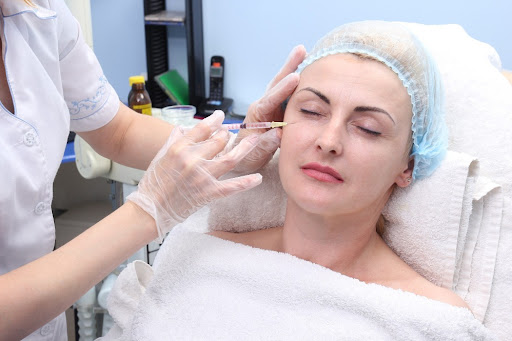
𝐇𝐨𝐰 𝐁𝐨𝐭𝐨𝐱 𝐖𝐨𝐫𝐤𝐬Botox is a widely recognised brand name associated with botulinum toxin treatment. When administered into selected facial muscles, it temporarily reduces the muscle activity responsible for expression-related lines.
Frequently evaluated areas include:
Horizontal forehead linesFrown lines between the eyebrowsCrow’s feet beside the eyesSelected lines around the noseProminent jaw muscles in suitable casesCertain facial imbalances caused by muscle activityThe objective is generally to soften excessive movement while retaining natural expression. Botox does not directly fill deep creases or restore lost facial vo...